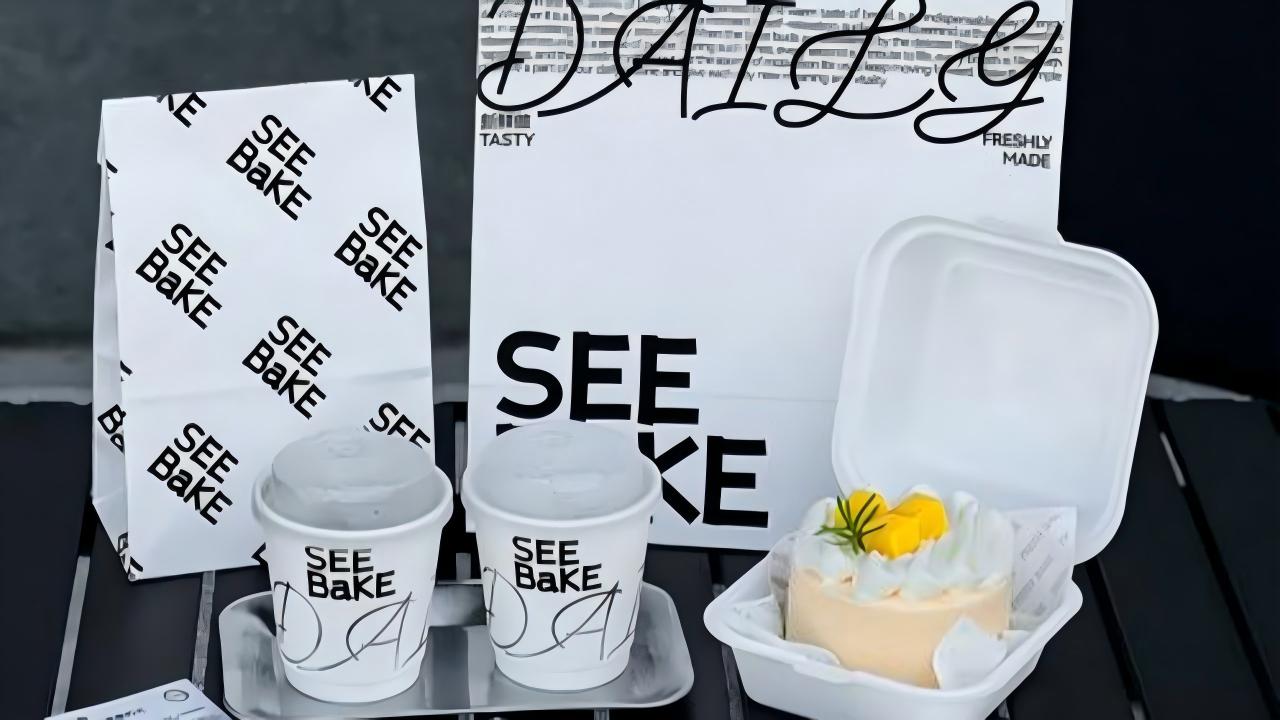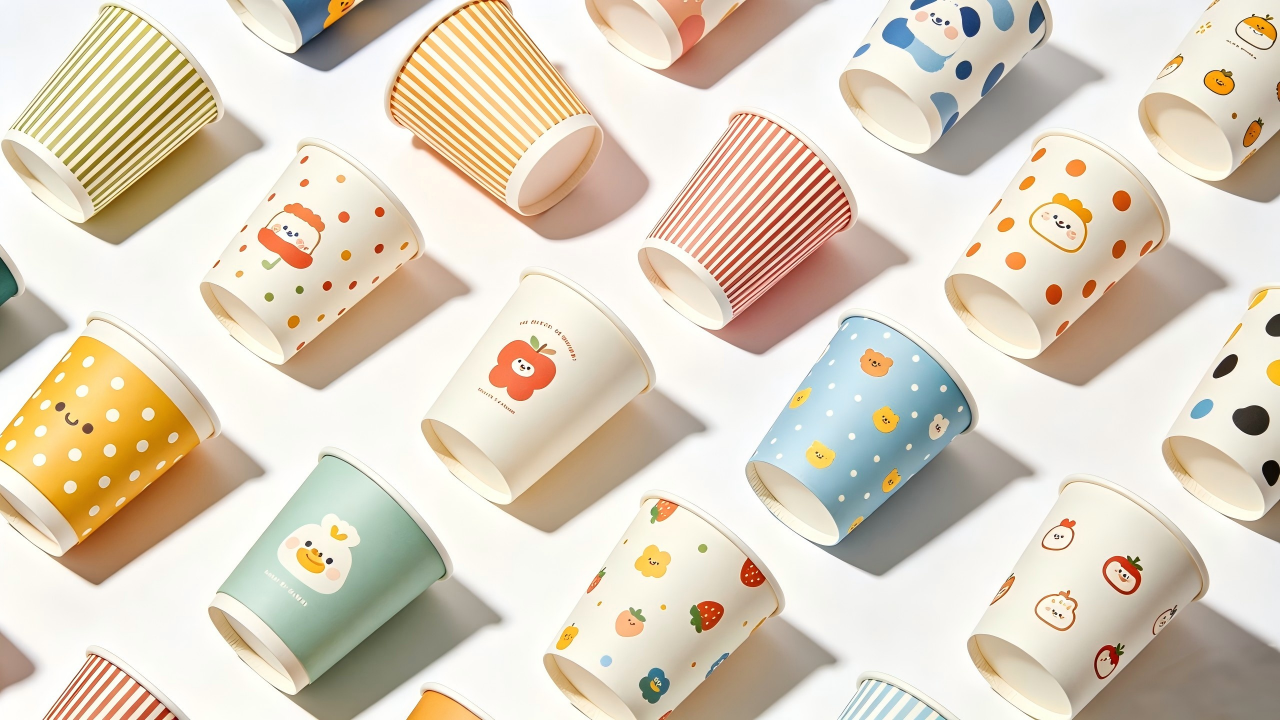
Ice cream cup size is much more important than it looking good. This impacts your day-to-day portioning, profit per unit and inventory flow. Shifting from a 4oz to 6oz cup can shift your pricing and customer perception of value. Pick the wrong size, and you’ll burn unnecessary costs and lose sales.
It will go over standard cup sizes, how they perform in real shop scenarios, and how to pick what works best for your business.
Standard Ice Cream Cup Sizes
The most common standard ice cream cup sizes on the market are 3oz, 4oz, 6oz, 8oz, and 12oz. You’ll most often see these sizes in ice cream shops and dessert parlors. The particular uses of each size can be seen in the following table:
| Size | Capacity (oz) | Usage | Application |
| Mini | 3 | Sample Tasting | Perfect for kids and promotions. |
| Small | 4 | Standard single scoop | Popular size for retail, ideal for gelato shops. |
| Medium | 6 | Medium single scoop servings | Soft-serve ice cream and Food court portions |
| Large | 8 | Double scoop servings | Premium dessert portions, specialty sundaes |
| Extra large | 12 | Family size | Multiple flavor combinations;premium sundae specials |
| Jumbo | 16 | Take-home family packs | Restaurant dessert sharing size |
| Big Mac | 20-26 | Party servings | Large group sharing;Special event catering |

Most Popular Ice Cream Cup Sizes in the Market
4oz – Best for Sampling & Entry-Level Options
4oz ice cream cups are total staples for tastings, kid-sized servings, or budget-friendly menu picks.
If your goal is to bring in first-time customers or keep ingredient costs in check, this size is a no-brainer — it lets you control portions tightly and cut down on waste.
Typical use cases:
- Sampling promotions or new flavor testing at the counter
- Kid-approved menu items (parents love the manageable size!)
- Entry products at low price to attract customers
6oz Ice cream cups – Your Core Selling Size
For most ice cream shops, 6oz is the workhorse size, it’s what keeps daily sales constant.
The size is perfect for 1-2 scoops and a sprinkle of toppings. Enough to satisfy customers but not too much to over serve. Easy to keep margins and still be competitive on price.
Typical use cases:
- Store daily sales (the most popular choice!)
- Frozen yogurt or soft serve shops
- Standard take away orders (fits nicely in bags without spillover)
8oz Ice cream cups– Designed for Higher Margins
8oz is where the upsell becomes profitable.
It allows for plenty of room for extra scoops, loaded toppings or fancy presentations; all of which make it easy to justify a higher price tag without customers feeling ripped off.
Typical application:
- Premium menu items (i.e., “gourmet” or “artisan” items)
- Desserts that travel well (hold up well during transit)
- Instagrammable treats customers love to photograph and share
12oz – Built for Sharing & Signature Desserts
12oz ice cream cups aren’t for everyday sales, they’re for creating standout moments.
They’re great for loaded sundaes, combo servings or anything you want to share with friends and family. These attention grabbing pieces are a great way to organically increase your average ticket size.
Typical application:
- Specialty or signature desserts (the kind that make your shop stand out)
- Group or family orders (great for parties or gatherings)
- High-value takeaway items that feel like a “treat”
How to Choose the Right Ice Cream Cup Size for Your Business
When selecting the right ice cream cup size it’s not just about the look, it will impact your portion control, pricing and bottom line way more than you think!
For most shops, different sizes play totally different roles: smaller cups are perfect for drawing in new customers, while larger ones help bump up your average order value without extra effort.

- Determine the Size Based on Target Audience:
Children or Takeout Customers Smaller cups (4oz-6oz) are recommended for portability, lower cost and less waste.
Families or Dine-in Customers: 8oz–12oz is the mainstream size, multiple scoops of ice cream with toppings, better visual appeal.
Premium dessert brands or artisan ice cream shops:For more complex desserts use larger than 12 oz cups to give a sense of high value.
- Consider Product Positioning and Sales Strategy:
Fast-Moving Consumer Goods Brands:Smaller cups improve production efficiency, turnover and average selling time.
High end experential brands: bigger cups with more unique designs and printing or handle design to create a differentiation.
Seasonal Promotions: Flexibly combine different sized combo packs to meet different pricing strategies.
- Consider the Proportion of Toppings and Design:
The ice cream cup should be proportionate to the size of the scoops, amount of sauce, and richness of the toppings.
I’m just going to get my bag.
Single scoop + sauce → 6oz
Double scoop + fruit → 8oz~10oz
Sundae/Milkshake cup → 12oz+
A moderate amount can help to maximize the visual appeal, increasing customers’ willingness to take photos and share on social media.
- From an operational cost and logistics perspective:
Bigger sizes consume more space in storage and transport. 4oz, 8oz and 12oz can be used as standard combinations for central purchasing for a variety of products, providing a good compromise between flexibility and cost.
- Brand image and custom printing needs:
Cups over 8oz generally have a larger printing area that can display the full brand logo and visual elements. Larger sizes are available with custom color printing for those companies who are more into brand communication.
Quick Size Guide
| Business Goal | Recommended Size |
| Attract new customers | 4oz |
| Daily core sales | 6oz |
| Increase profit margins | 8oz |
| Boost order value | 12oz |
The best shops don’t just go for one size, they mix and match to cover all bases!
A simple, effective setup is:
- 4oz for promotions and tastings
- 6oz for your daily core sales
- 8–12oz for premium, high-margin items
That means attracting new customers, but also keeping your regulars happy and growing your profits at the same time.
- Common mistakes when choosingice cream cup sizes
When you are choosing ice cream cup sizes, you may have some mistakes as following:
- Choose too many sizes, you will have the pressure from inventory backlog and cash flow.
- Only care the volume of the size, and don’t consider the application of the ice cream cups.
- Ignore if there is a matching lid or not.

FAQ
Which is more popular, small or large ice cream cups?
4oz and 8oz are the mainstream choices. Small cups are suitable for single-scoop fast sales, while large cups are suitable for mixed desserts. Many brands offer both sizes to meet the needs of various scenarios.
Are lids compatible across different ice cream cup sizes?
Ice cream cups of different capacities may have different opening diameters, so you’ll need to choose a lid with the same diameter. Suppliers usually provide a “lid matching chart” to ensure a proper seal.
Does the actual filling volume of the ice cream cup match the nominal oz exactly?
The nominal oz is based on the top rim capacity; the actual filling volume is usually slightly lower (2-5% less) to prevent overflow. This is the industry standard definition.
Can you provide samples of the ice cream cups and lids for confirmation?
We can offer 1-2 free samples of standard sizes for customers to test the filling effect and lid compatibility before the final capacity decision.
Does the ice cream cups sizes affect shipping costs?
Yes. Larger cups take up more space, increasing logistics costs. When buying in bulk it is good practice to buy a mix of sizes for load optimization purposes.
Final Thought
Now, from the above article, you know how to choose the right size of the ice cream cup. If you are looking for a reliable ice cream cup supplier, Haokelao will be your best choice. We have over 25 years professional experience in producing ice cream cups with more than 150 sets of automated production lines, stable quality and reliable delivery. Our cups are made from food-grade, environmentally friendly materials that are waterproof and oil-proof, suitable for both frozen and takeout applications. We support multiple sizes and custom printing, making them the ideal packaging choice for food and beverage brands.