A Comprehensive Guide To Embossing and Debossing In Packaging
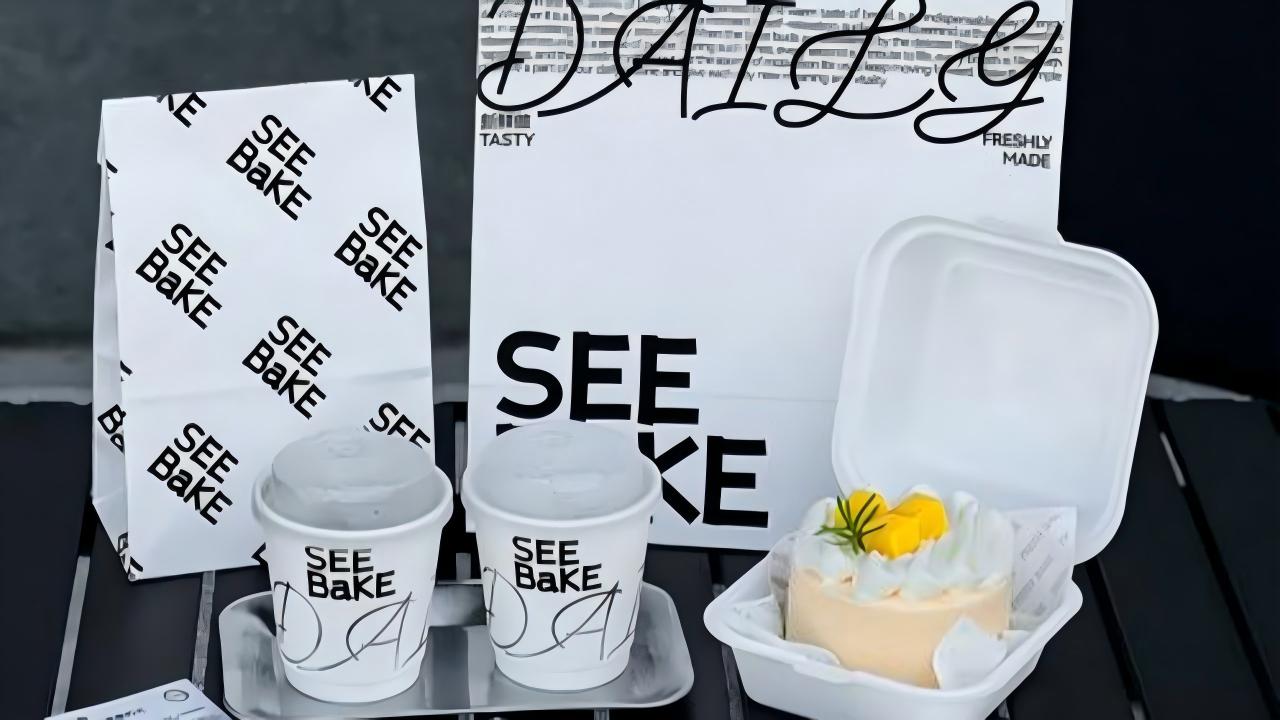
Good product packaging does not just protect your product; it also gives customers a good perception of your brand. Among the various packaging design techniques available, embossing and debossing are two distinctive methods that are widely recognized. This guide explains everything you need to know about embossing and debossing in packaging.
What Is Embossing and Debossing In Packaging
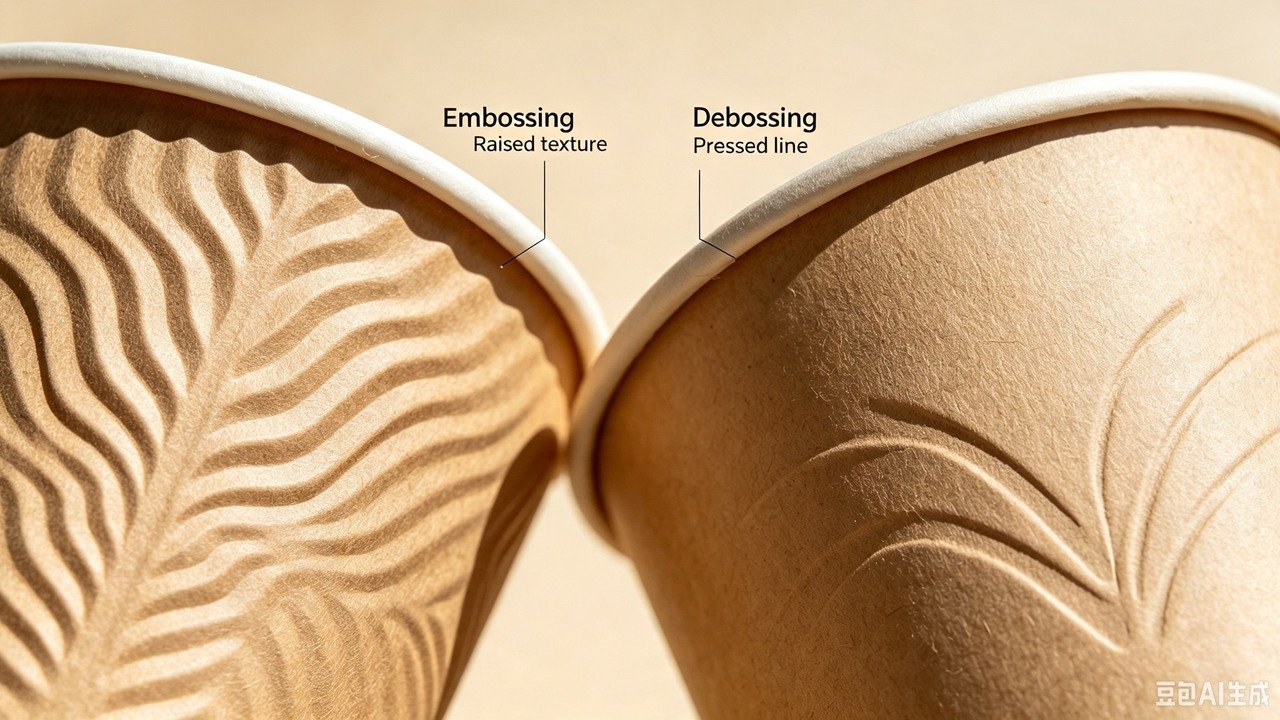
Embossing is a 3D finishing technique that can be applied to product packaging to produce raised or indented patterns on the surface of packaging materials, allowing such packaging to exhibit both depth and tactile effect. You can look at it like using a stamp to press packaging details like text, logo, or design on packaging materials like paper or cardboard from behind to make packaging details, such as text, logo, or pattern, protrude outwards so that you can feel them when you touch the surface.
In contrast, debossing is the reverse of embossing. Debossing creates a sunken or indented design on the surface of your packaging material instead of a raised one. You can see debossing, like pressing a design (downward) into the surface of a material to give the packaging a recessed impression.
Major Differences Between Embossing and Debossing In Packaging
Although embossing and debossing in packaging are used to increase customer experience, attract customers, and make your product stand out on shelves, they still have their differences. We have provided a table that shows a clear distinction between embossing and debossing.
| Factor | Embossing | Debossing |
| Direction | Recessed or raised design above the surface | Pressed design, text, or logo into the surface |
| Visual effect | Bold, luxurious, eye-catching | Subtle, modern, minimal |
| Brand Positioning | Luxury, premium, bold look and feel. | Sleek, refined, minimalist look and feel. |
| Foil compatibility | Yes | Yes |
| Process Complexity | Higher | Lower |
| Durability | Excellent | Excellent |
| Best Material | Rigid board, thick paperboard | Paper, leather, cardstock |
| Die Required | Requires two dies (male and female) | Requires one die (female) |
| Cost | A bit higher due to its two dies | A bit lower due to its one die |
| Sustainability | Yes, it can be processed without ink or foil. | Yes, it also supports ink-free decoration. |
Benefits Of Using Embossing and Debossing In Packaging
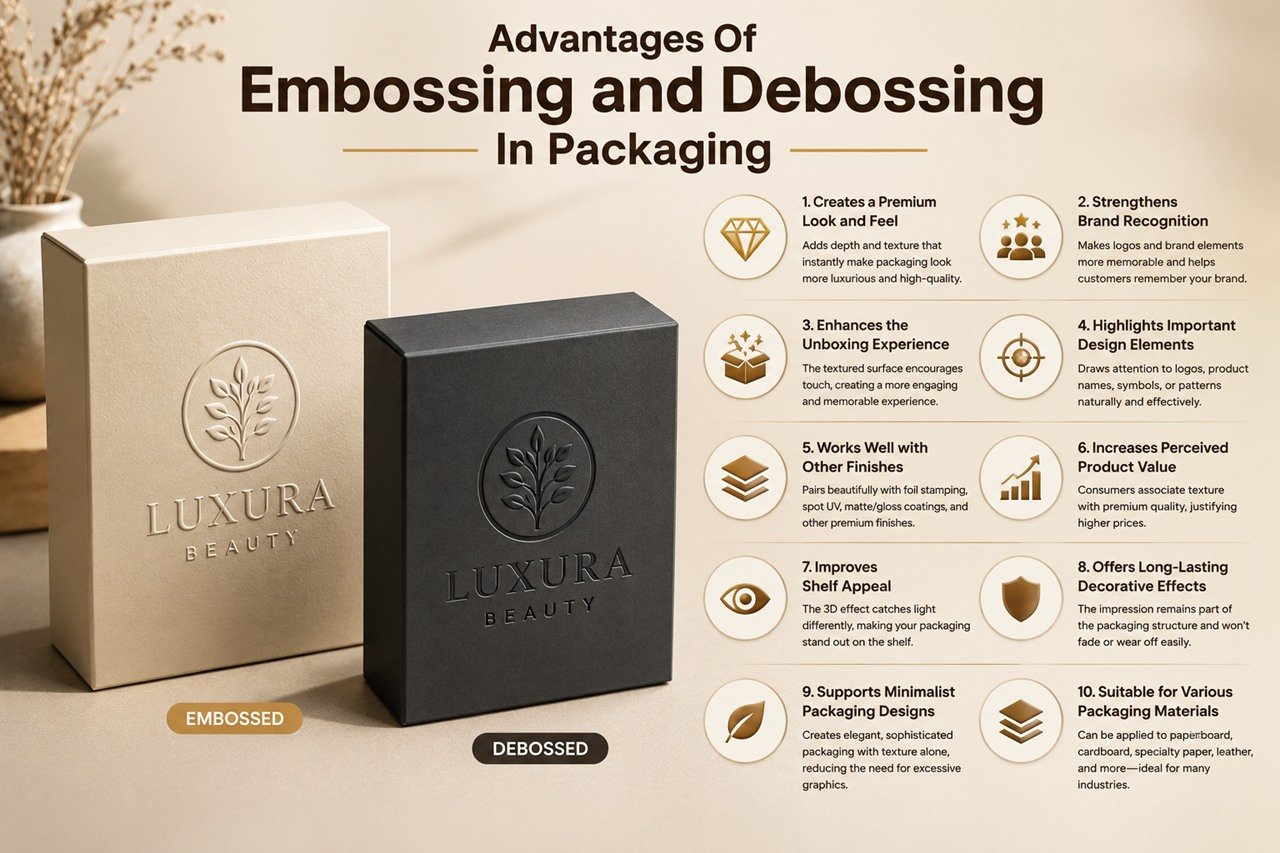
Embossing and debossing your product packaging come with a lot of benefits. The list below shows some of these benefits:
Creates a Premium and Refined Brand Image: Your product packaging finishes are automatically elevated by adding depth, texture, and craftsmanship when you emboss or deboss them. This subtle design enhancement tells customers about your brand’s superior quality and attention to detail, thus enhancing your brand image.
Guarantees Tactile Experience: Embossing and debossing your product packaging make customers engage with your product. This is because the bold, eye-catching design attracts them, thus making the packaging more interactive.
Helps Highlight Important Information: Customers quickly notice the key elements in your packaging, like your brand logo, product name, and distinctive features, when you apply embossing and debossing to your product packaging.
Packaging That Gets Shared: Social media has become a prominent tool for marketing. People who purchase your embossed and debossed packaging can decide to share their unboxing experience on social media, thus making your packaging get noticed by potential buyers.
Durability That Outlasts Print: Unlike printed finishes that fade, scratch, and scuff, embossed and debossed packaging stands the test of time.
How Does Embossing and Debossing Work In Packaging
Embossing works through the use of a specially engraved metal die (male die) and a matching counter die (female die) to press a design into packaging material under controlled pressure or controlled heat. Doing this makes your selected artwork, such as a logo, design, or text, stand out above the surface. This process creates a three-dimensional effect that enhances your product packaging’s visual appeal and tactile quality.
Debossing, on the other hand, works when you press a customized metal die (female die) into your packaging material to create a sunken or recessed design. The pressure you apply to the packaging material compresses the material permanently to produce a clean, indented impression. Debossing gives your packaging depth, texture, and a sophisticated finish while ensuring that your logo, text, or decorative feature is subtly highlighted.
The Step-by-Step Process Of Embossing and Debossing In Packaging
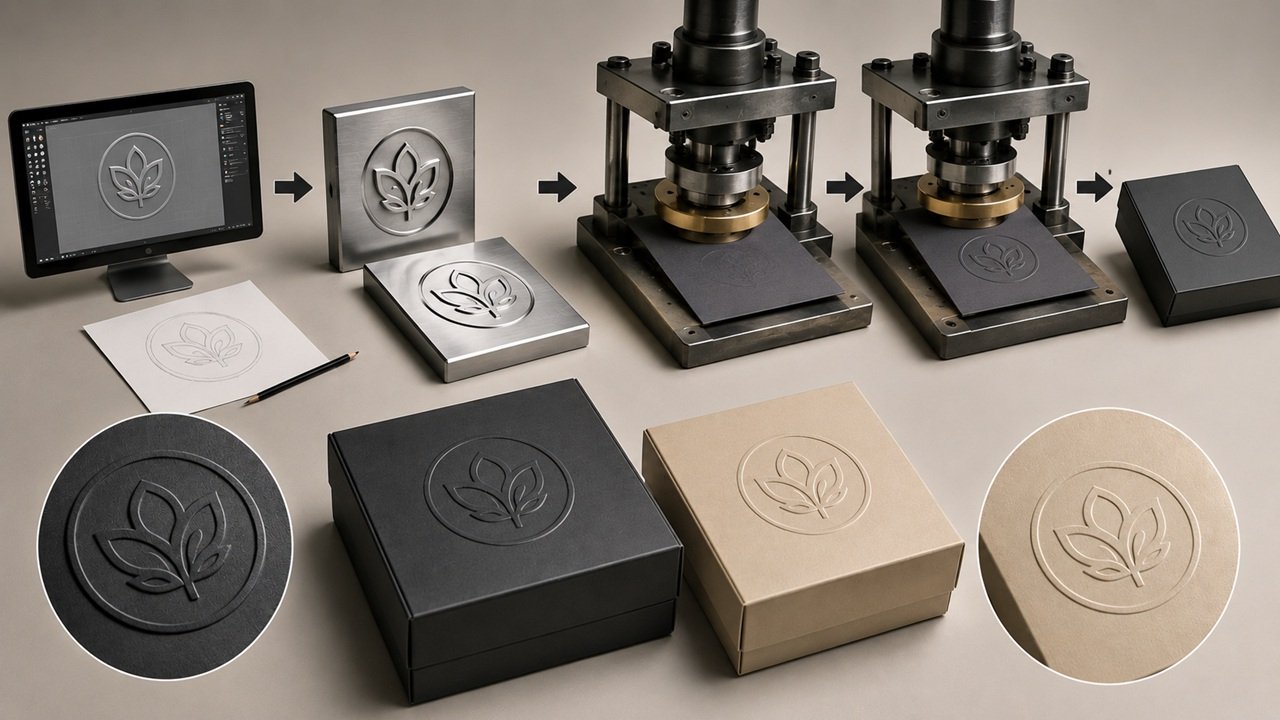
In this section, we’ll walk you through the step-by-step process of embossing and debossing your product packaging.
The process of embossing and debossing in packaging is more straightforward than it sounds.
Here are the steps:
Step 1: Design Preparation: First, create the artwork. This stage involves knowing the logo, text, patterns, or graphics that you want to emboss.
Step 2: Create the Embossing Dies: When you’re creating your custom metal die, make sure they align properly with the logo, text, or patterns you want to emboss or deboss. Create male (raised) and female (recessed) dies for embossing because it requires two dies. Then, create one female die (recessed) for Debossing.
Step 3: Select Your Packaging Material: Ensure you choose your packaging material based on your desired finish. Be aware that the thickness and the quality of your selected material determine how sharp and durable the embossed effect will be.
Step 4: Die Setup: Here, set up your metal stamping die. Next, install the male die (raised) and a female die (recessed) on the embossing, and the female die (recessed) for the debossing press. Next, ensure you calibrate the machine for pressure, temperature (if it requires heat), alignment, and material thickness.
Here, you need to pay more attention to the alignment. The quality of the finished impression can be affected even if there is slight mispositioning.
Step 5: Applying Pressure and Heat: At this stage, place your packaging materials between both dies for embossing. Next, press the dies to apply controlled pressure. For debossing, press down the die right into the material for your packaging material to have a recessed impression.
In most cases, you may need to use heat to reshape your packaging material after applying the pressure. Also, the amount of heat you need is based on the design and your packaging material.
Step 6: Foil Stamping or Printing: This stage is optional. Here, you can decide to add foil stamping, spot UV coating, soft-touch lamination, matte, or glossy finish to your embossed or debossed packaging material. This will give it a more premium look. You may also wish to add printed colors before or after embossing for enhanced visual effect.
Step 7: Quality Inspection: Conduct a proper check so you can be sure that the quality of your embossed and debossed packaging materials aligns properly, has consistent depth, and well-defined impressions.
Step 8: Cutting, Folding, and Assembly: Once you have completed the embossing and debossing of your packaging material, move the packaging to the last stage of production, which is die-cutting, folding, gluing, and assembly.
Types Of Embossing and Debossing In Packaging
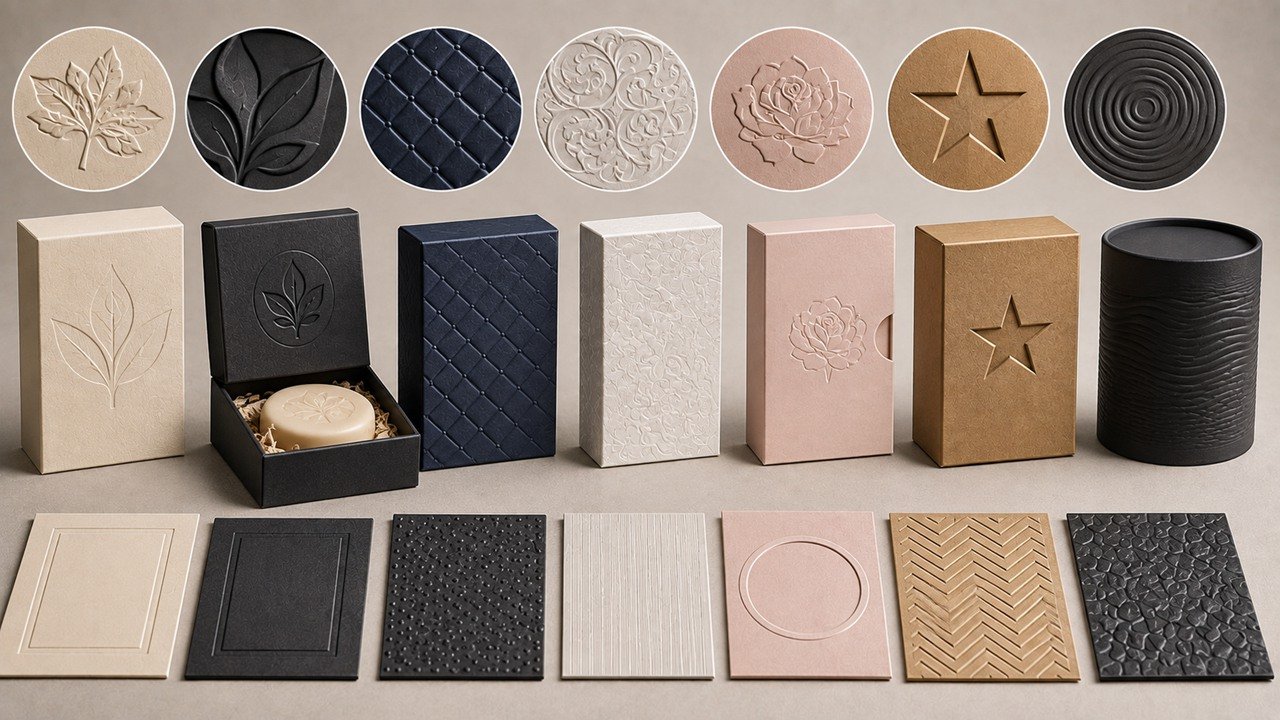
Embossing and debossing in packaging come in various types, each catering to unique needs in various industries.
| Type | Embossing | Debossing |
| Blind Embossing | Creates a raised design without ink or foil. Guarantees a premium tactile effect. | Creates a recessed design without ink or foil. Guarantees a premium tactile effect. |
| Foil Embossing | The raised design is covered with foil. | The recessed design is covered with metallic foil. |
| Multi-Level Embossing | Creates a raised design that comes in different heights. | Creates a raised design that has different depths. |
The paragraph below shows other types of embossing you can apply to your product packaging.
Embossing
Sculptured Embossing: Is a very detailed embossing with a 3D and lifelike look. It comes with realistic shapes and smooth curves. You can make this embossing using a hand-crafted custom die. You can use sculptured embossing if you want decorative patterns, intricate crests, a detailed logo, or for other situations where precision is your top priority.
Heat Embossing: Unlike other types of embossing that use a die, heat embossing uses powder and a heat gun to create a raised, shiny design. They are cost-effective options that give your paper a 3D feel. You can use them for crafts and card-making
Packaging Materials And Applications Of Embossing and Debossing
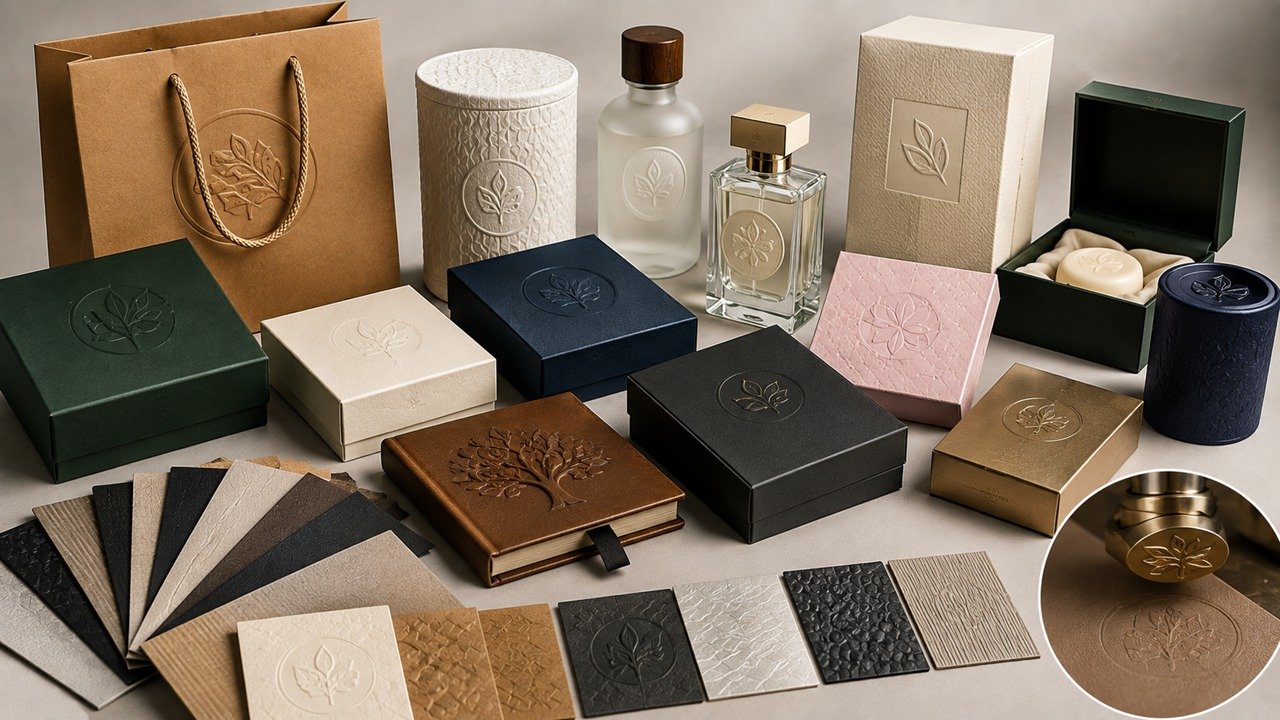
| Packaging Material | Embossing | Debossing | Common Applications |
| Paperboard & Cardstock | Yes | Yes | Food boxes, takeaway cartons, gift boxes, snack boxes |
| Kraft Paper | Yes | Yes | Paper bags, coffee packaging, and paper lunch bags. |
| Corrugated Board | Yes | Limited | Popcorn containers, delivery cartons, and fried chicken buckets. |
| Laminated Paperboard | Limited | Yes | Instant noodles cup, soup paper cups, etc. |
| Food Containers | Yes | Yes | Ice cream paper cups, takeaway containers, paper straws. |
Factors To Consider Before Choosing Between Embossing and Debossing
The subsequent paragraph explains the key factors you need to consider before choosing between embossing and debossing.
Material
If you want to choose packaging materials like paperboard, rigid boxes, and paper containers, it’s recommended that you choose embossing. This is because it creates a stronger visual impact by raising your logos and patterns. Meanwhile, you can choose kraft paper or other softer materials that can easily complement the natural texture of the subtle recess for debossing.
Reverse Image
For reverse images, your design complexity and branding requirements should determine this. For instance, you can choose embossing for details that need to stand out clearly, like logos, symbols, and graphics. Debossing, on the other hand, is a great choice for minimalist designs and engraved-style branding.
Cost
Cost-sensitive packaging: choose simple debossing or embossing; choose premium finishes for high-value products. For instance, if you want to make mass food packaging, simple embossing or debossing will cost you less while enhancing the perception of your brand. Meanwhile, you will spend more if you intend to use multi-level effects and foil combinations for complex designs.
Details
Choose embossing for bold details; debossing for fine and subtle details. For instance, if you want strong shelf visibility, using embossing on large logos, patterns, and designs will make you stand out on shelves. Meanwhile, debossing does it better if you want detailed artwork, minimalist branding, and elegant finishes.
Tips for Effective Embossing and Debossing in Packaging
The list below shows the key tips you need to take into action if you want to give your packaging material an effective embossing and Debossing:
Choose the Right Packaging Material: Ensure the material you choose has suitable thickness, strength, and surface quality to achieve your desired impression.
Use a simple and Clear Design: To achieve a better embossed or debossed result, use bold logos, clean typography, and balanced patterns.
Think Of The Packaging Structure: Make sure you evaluate your packaging shape and construction before choosing to emboss or deboss.
Choose a Befitting Depth: Use the material thickness and the appearance you want to achieve to choose the right impression depth.
Design Appropriate Artwork: Make sure the artwork you design is tailored to either embossing or debossing.
A Comprehensive Guide To Embossing and Debossing In Packaging
Good product packaging does not just protect your product; it also gives customers a good perception of your brand. Among the various packaging design techniques available, embossing and debossing are two distinctive methods that are widely recognized. This guide explains everything you need to know about embossing and debossing in packaging.
What Is Embossing and Debossing In Packaging
Embossing is a 3D finishing technique that can be applied to product packaging to produce raised or indented patterns on the surface of packaging materials, allowing such packaging to exhibit both depth and tactile effect. You can look at it like using a stamp to press packaging details like text, logo, or design on packaging materials like paper or cardboard from behind to make packaging details, such as text, logo, or pattern, protrude outwards so that you can feel them when you touch the surface.
In contrast, debossing is the reverse of embossing. Debossing creates a sunken or indented design on the surface of your packaging material instead of a raised one. You can see debossing, like pressing a design (downward) into the surface of a material to give the packaging a recessed impression.
Major Differences Between Embossing and Debossing In Packaging
Although embossing and debossing in packaging are used to increase customer experience, attract customers, and make your product stand out on shelves, they still have their differences. We have provided a table that shows a clear distinction between embossing and debossing.
| Factor | Embossing | Debossing |
| Direction | Recessed or raised design above the surface | Pressed design, text, or logo into the surface |
| Visual effect | Bold, luxurious, eye-catching | Subtle, modern, minimal |
| Brand Positioning | Luxury, premium, bold look and feel. | Sleek, refined, minimalist look and feel. |
| Foil compatibility | Yes | Yes |
| Process Complexity | Higher | Lower |
| Durability | Excellent | Excellent |
| Best Material | Rigid board, thick paperboard | Paper, leather, cardstock |
| Die Required | Requires two dies (male and female) | Requires one die (female) |
| Cost | A bit higher due to its two dies | A bit lower due to its one die |
| Sustainability | Yes, it can be processed without ink or foil. | Yes, it also supports ink-free decoration. |
Benefits Of Using Embossing and Debossing In Packaging
Embossing and debossing your product packaging come with a lot of benefits. The list below shows some of these benefits:
Creates a Premium and Refined Brand Image: Your product packaging finishes are automatically elevated by adding depth, texture, and craftsmanship when you emboss or deboss them. This subtle design enhancement tells customers about your brand’s superior quality and attention to detail, thus enhancing your brand image.
Guarantees Tactile Experience: Embossing and debossing your product packaging make customers engage with your product. This is because the bold, eye-catching design attracts them, thus making the packaging more interactive.
Helps Highlight Important Information: Customers quickly notice the key elements in your packaging, like your brand logo, product name, and distinctive features, when you apply embossing and debossing to your product packaging.
Packaging That Gets Shared: Social media has become a prominent tool for marketing. People who purchase your embossed and debossed packaging can decide to share their unboxing experience on social media, thus making your packaging get noticed by potential buyers.
Durability That Outlasts Print: Unlike printed finishes that fade, scratch, and scuff, embossed and debossed packaging stands the test of time.
How Does Embossing and Debossing Work In Packaging
Embossing works through the use of a specially engraved metal die (male die) and a matching counter die (female die) to press a design into packaging material under controlled pressure or controlled heat. Doing this makes your selected artwork, such as a logo, design, or text, stand out above the surface. This process creates a three-dimensional effect that enhances your product packaging’s visual appeal and tactile quality.
Debossing, on the other hand, works when you press a customized metal die (female die) into your packaging material to create a sunken or recessed design. The pressure you apply to the packaging material compresses the material permanently to produce a clean, indented impression. Debossing gives your packaging depth, texture, and a sophisticated finish while ensuring that your logo, text, or decorative feature is subtly highlighted.
The Step-by-Step Process Of Embossing and Debossing In Packaging
In this section, we’ll walk you through the step-by-step process of embossing and debossing your product packaging.
The process of embossing and debossing in packaging is more straightforward than it sounds.
Here are the steps:
Step 1: Design Preparation: First, create the artwork. This stage involves knowing the logo, text, patterns, or graphics that you want to emboss.
Step 2: Create the Embossing Dies: When you’re creating your custom metal die, make sure they align properly with the logo, text, or patterns you want to emboss or deboss. Create male (raised) and female (recessed) dies for embossing because it requires two dies. Then, create one female die (recessed) for Debossing.
Step 3: Select Your Packaging Material: Ensure you choose your packaging material based on your desired finish. Be aware that the thickness and the quality of your selected material determine how sharp and durable the embossed effect will be.
Step 4: Die Setup: Here, set up your metal stamping die. Next, install the male die (raised) and a female die (recessed) on the embossing, and the female die (recessed) for the debossing press. Next, ensure you calibrate the machine for pressure, temperature (if it requires heat), alignment, and material thickness.
Here, you need to pay more attention to the alignment. The quality of the finished impression can be affected even if there is slight mispositioning.
Step 5: Applying Pressure and Heat: At this stage, place your packaging materials between both dies for embossing. Next, press the dies to apply controlled pressure. For debossing, press down the die right into the material for your packaging material to have a recessed impression.
In most cases, you may need to use heat to reshape your packaging material after applying the pressure. Also, the amount of heat you need is based on the design and your packaging material.
Step 6: Foil Stamping or Printing: This stage is optional. Here, you can decide to add foil stamping, spot UV coating, soft-touch lamination, matte, or glossy finish to your embossed or debossed packaging material. This will give it a more premium look. You may also wish to add printed colors before or after embossing for enhanced visual effect.
Step 7: Quality Inspection: Conduct a proper check so you can be sure that the quality of your embossed and debossed packaging materials aligns properly, has consistent depth, and well-defined impressions.
Step 8: Cutting, Folding, and Assembly: Once you have completed the embossing and debossing of your packaging material, move the packaging to the last stage of production, which is die-cutting, folding, gluing, and assembly.
Types Of Embossing and Debossing In Packaging
Embossing and debossing in packaging come in various types, each catering to unique needs in various industries.
| Type | Embossing | Debossing |
| Blind Embossing | Creates a raised design without ink or foil. Guarantees a premium tactile effect. | Creates a recessed design without ink or foil. Guarantees a premium tactile effect. |
| Foil Embossing | The raised design is covered with foil. | The recessed design is covered with metallic foil. |
| Multi-Level Embossing | Creates a raised design that comes in different heights. | Creates a raised design that has different depths. |
The paragraph below shows other types of embossing you can apply to your product packaging.
Embossing
Sculptured Embossing: Is a very detailed embossing with a 3D and lifelike look. It comes with realistic shapes and smooth curves. You can make this embossing using a hand-crafted custom die. You can use sculptured embossing if you want decorative patterns, intricate crests, a detailed logo, or for other situations where precision is your top priority.
Heat Embossing: Unlike other types of embossing that use a die, heat embossing uses powder and a heat gun to create a raised, shiny design. They are cost-effective options that give your paper a 3D feel. You can use them for crafts and card-making
Packaging Materials And Applications Of Embossing and Debossing
| Packaging Material | Embossing | Debossing | Common Applications |
| Paperboard & Cardstock | Yes | Yes | Food boxes, takeaway cartons, gift boxes, snack boxes |
| Kraft Paper | Yes | Yes | Paper bags, coffee packaging, and paper lunch bags. |
| Corrugated Board | Yes | Limited | Popcorn containers, delivery cartons, and fried chicken buckets. |
| Laminated Paperboard | Limited | Yes | Instant noodles cup, soup paper cups, etc. |
| Food Containers | Yes | Yes | Ice cream paper cups, takeaway containers, paper straws. |
Factors To Consider Before Choosing Between Embossing and Debossing
The subsequent paragraph explains the key factors you need to consider before choosing between embossing and debossing.
Material
If you want to choose packaging materials like paperboard, rigid boxes, and paper containers, it’s recommended that you choose embossing. This is because it creates a stronger visual impact by raising your logos and patterns. Meanwhile, you can choose kraft paper or other softer materials that can easily complement the natural texture of the subtle recess for debossing.
Reverse Image
For reverse images, your design complexity and branding requirements should determine this. For instance, you can choose embossing for details that need to stand out clearly, like logos, symbols, and graphics. Debossing, on the other hand, is a great choice for minimalist designs and engraved-style branding.
Cost
Cost-sensitive packaging: choose simple debossing or embossing; choose premium finishes for high-value products. For instance, if you want to make mass food packaging, simple embossing or debossing will cost you less while enhancing the perception of your brand. Meanwhile, you will spend more if you intend to use multi-level effects and foil combinations for complex designs.
Details
Choose embossing for bold details; debossing for fine and subtle details. For instance, if you want strong shelf visibility, using embossing on large logos, patterns, and designs will make you stand out on shelves. Meanwhile, debossing does it better if you want detailed artwork, minimalist branding, and elegant finishes.
Tips for Effective Embossing and Debossing in Packaging
The list below shows the key tips you need to take into action if you want to give your packaging material an effective embossing and Debossing:
Choose the Right Packaging Material: Ensure the material you choose has suitable thickness, strength, and surface quality to achieve your desired impression.
Use a simple and Clear Design: To achieve a better embossed or debossed result, use bold logos, clean typography, and balanced patterns.
Think Of The Packaging Structure: Make sure you evaluate your packaging shape and construction before choosing to emboss or deboss.
Choose a Befitting Depth: Use the material thickness and the appearance you want to achieve to choose the right impression depth.
Design Appropriate Artwork: Make sure the artwork you design is tailored to either embossing or debossing.
FAQs
Which Is Better For Luxury Packaging: Embossing or Debossing?
Both embossing and debossing are better for luxury packaging. However, embossing guarantees a better visual result, while debossing is perfect for minimalist and elegant designs.
Can You Use Both Embossing and Debossing On The Same Packaging?
Yes, you can use both embossing and debossing on the same packaging. In fact, you will get a striking, multi-layered tactile effect when you combine an embossed foreground logo with a recessed background pattern.
How Long Does Custom Embossed and Debossed Packaging Take to Produce?
Your packaging type, design complexity, material selection, and order quantity determine the turnaround time. It typically takes around 7–15 working days after artwork approval and sample confirmation to produce custom embossed and debossed packaging.
Can embossed And Debossed Packaging Be Customized?
Yes, you can customize all your packaging details and designs with embossing or debossing.
Can Embossing and Debossing be Applied To Both Small And Large Production Runs?
Yes, you can apply embossing and debossing to both small and large production runs.
Conclusion
Embossing and debossing your product packaging is a technique that gives your product enhanced appeal and tactile experience. Referring to the information shared in this article will increase your brand’s perceived value. Meanwhile, if you are looking for a reliable partner for your food packaging needs, contact Haokepack to discuss your packaging requirements.