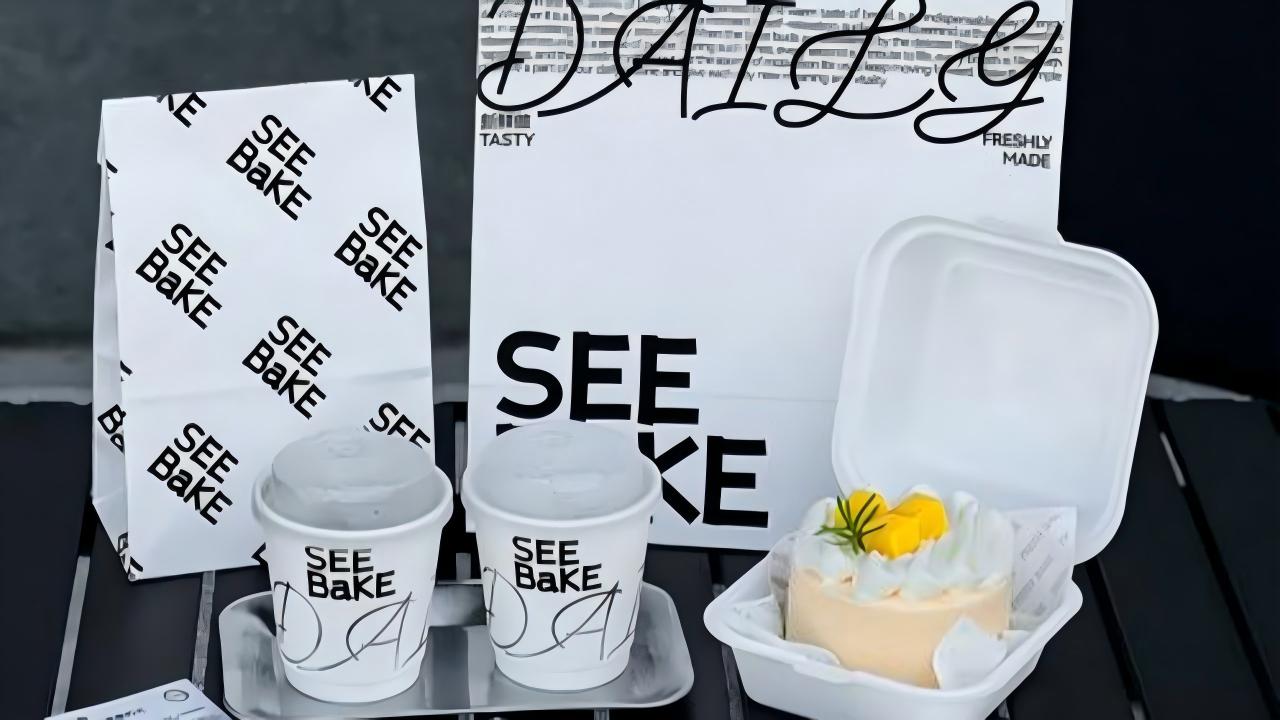
Due to the environmental hazards of traditional plastic packaging, the sustainable development of food packaging is a concern that needs to be addressed. In this article, you will learn what is biodegradable plastic PLA,and its applications in the area of food packaging.
What is PLA?
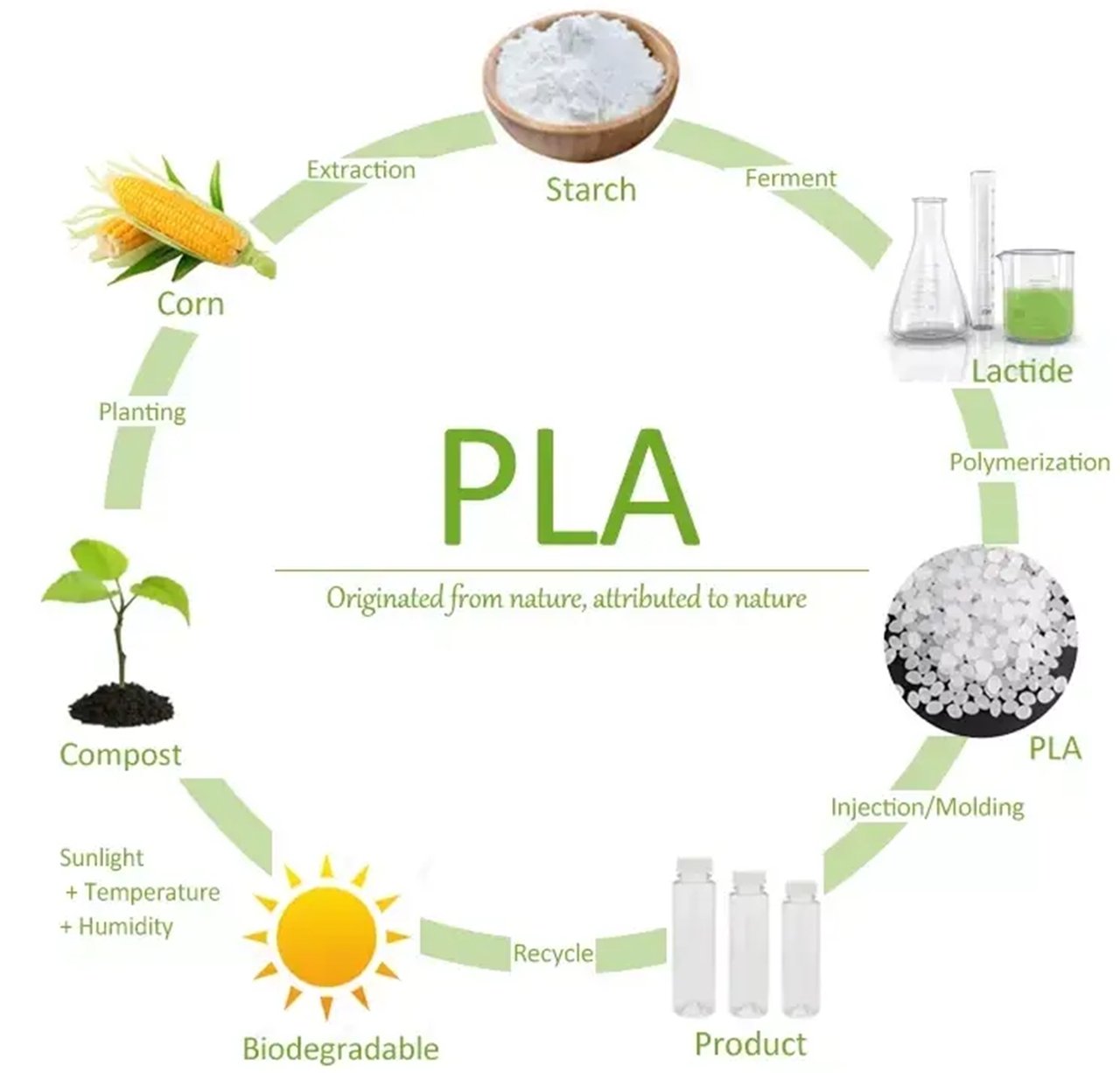
PLA (Polylactic Acid) is a biodegradable plastic made from plant starch. It is produced by extracting starch from crops such as corn, cassava, and sugarcane bagasse, fermenting it to produce lactic acid bacteria, and then polymerizing it.
How is PLA made?
PLA is a biodegradable plastic made from starchy crops such as corn, sugarcane, cassava, and sugar beets, or from straw cellulose, through a three-step core process of saccharification, fermentation, and polymerization.
Main Production Process:
Raw Material Pretreatment and Saccharification
Crop starch, such as corn or cassava, is extracted by crushing. The starch is then converted to glucose via enzymatic or acid hydrolysis. If non-grain biomass such as straw is used, it must first undergo physical/chemical cell wall disruption before conversion to glucose.
Lactic Acid Fermentation
Lactic acid is fermented using microorganisms (such as lactic acid bacteria) in a manner similar to brewing to produce lactic acid. The lactic acid monomer is then separated and purified to obtain high-purity lactic acid monomer.
Polymerization Reaction
Ring-Opening Polymerization (Mainstream): Lactic acid is first dehydrated and cyclized to form the intermediate lactide. After recrystallization and purification, ring-opening polymerization is performed under the action of a catalyst to form high-molecular-weight PLA. This method produces products with high molecular weight and stable performance, making it the preferred industrial method.
Is PLA material environmentally friendly?
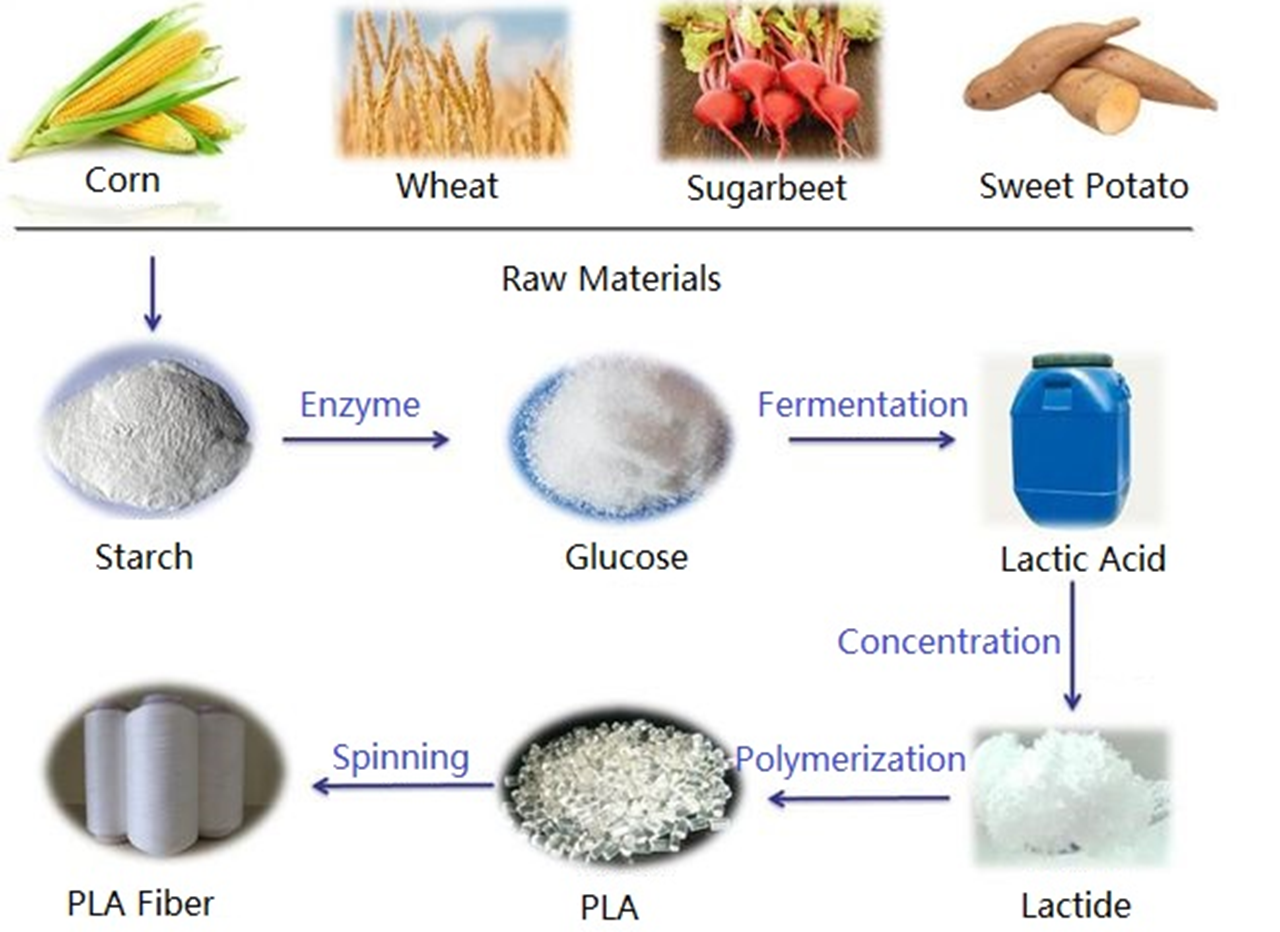
As is well known, PLA is not made from petroleum, but from various plants, making it a renewable resource. Compared to traditional petroleum-based plastics (PET, PP, PS), PLA typically has a lower carbon footprint because plants absorb carbon dioxide during their growth. PLA materials can also biodegrade and compost in industrial composting facilities. In a special composting environment at 140°C, it can degrade in just 10 days without releasing smoke or odor. It is also BPA-free and can come into direct contact with food, making PLA materials very environmentally friendly and safe.
Comparison of the environmental friendliness of PLA and traditional plastic cups
| Item | PLA Plastic Cup | PET Plastic Cup | PP Plastic Cup | PS Plastic Cup |
| Raw material | corn, sugarcane, cassava, and sugar beets | Petroleum | Petroleum | Petroleum |
| Bio-based | Yes | No | No | No |
| Industrial compostable | Yes | No | No | No |
| Rapid degradation in the natural environment | No | No | No | No |
| Food packaging applications | Yes | Yes | Yes | Yes |
| Hear resistance | Low | High | High | Medium |
| Carbon footprint | Low | High | High | High |
In general, PLA is a relatively environmentally friendly bio-based plastic, but its environmental advantages are based on proper use and disposal.

Is PLA Material Safe for Food Packaging?
If you don’t use it to hold food above 60℃, then PLA is a very safe food packaging material.
You can consider its security from the following aspects:
- FDA food contact compliance: Food-grade PLA can comply with applicable food contact regulations of the US FDA..
- Does PLA Contain BPA?
No, PLA itself is free of BPA and polycarbonate, so PLA bowls and PLA cups can come into direct contact with food.
- Is PLA Non-Toxic?
PLA is made from plant-based materials; it is non-toxic, odorless, and also without any heavy metal additives.
- Does PLA Affect Food Taste?
The high quality food grade PLA material has no odor, does not affect the flavor or color of food.
PLA Applications in Food Packaging Industry
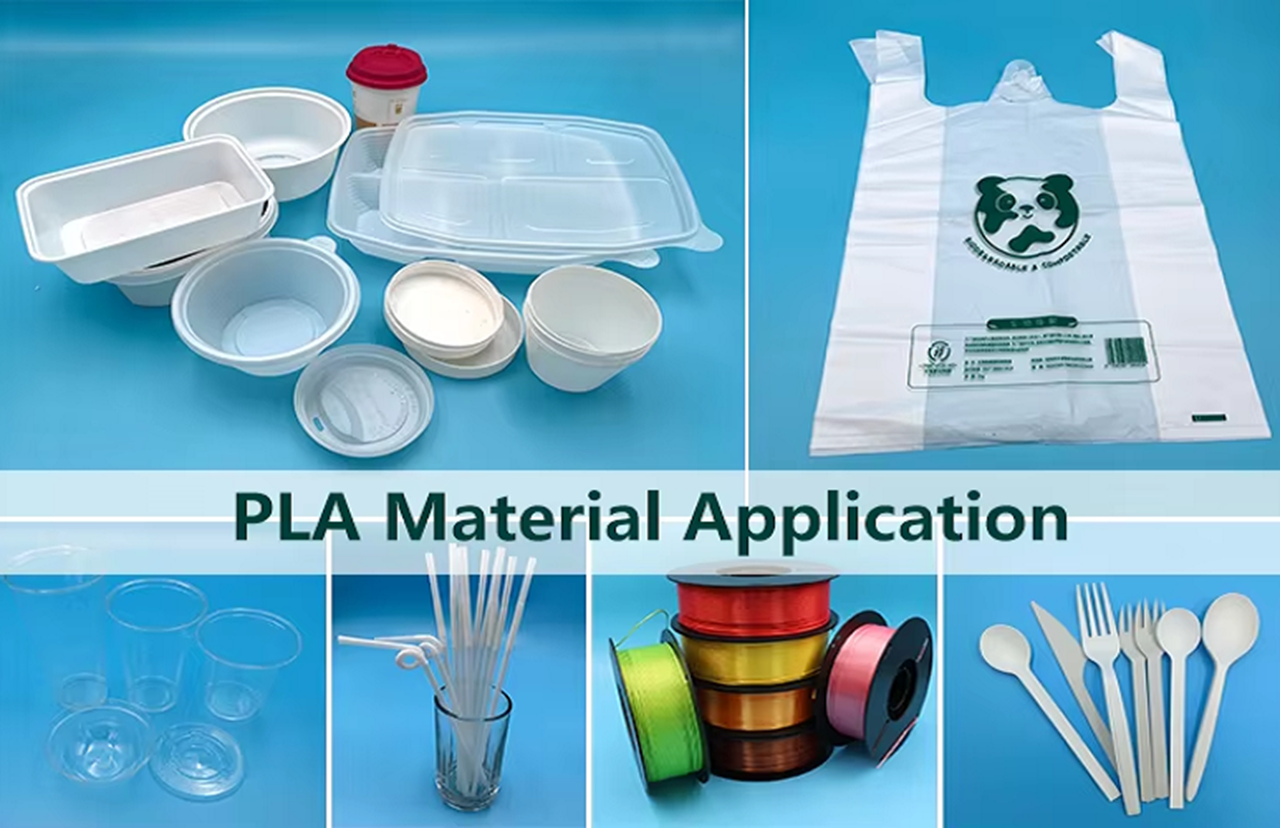
PLA is widely used in the food packaging industry due to its environmentally friendly, recyclable, and renewable features. You may use it for packaging room-temperature beverages and foods, such as iced coffee, milk tea, juice, ice cream, dairy products, salads, fruits, desserts, and sandwiches.
PLA Applications in Food Packaging Industry
- Cold Beverage Cups
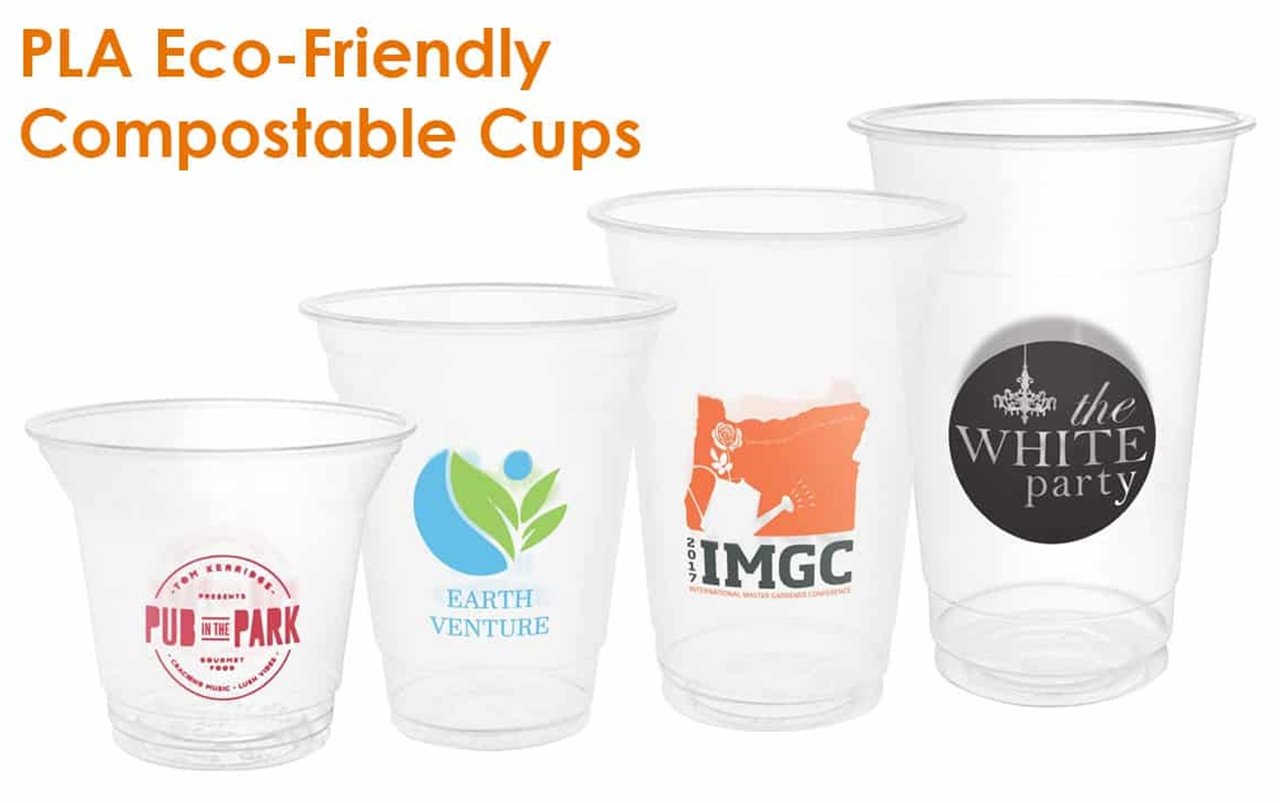
Due to the crystal clear appearance and lightweight, you may use the PLA plastic cups for cold beverages, such as iced coffee, bubble tea, fruit juice, lemonade, soft drinks etc.
- Ice Cream Cups
PLA Ice cream cups can work well at low temperatures and maintains the shape in frozen environments, you may use it for ice cream, frozen yogurt, gelato, sorbet, frozen desserts, etc.
- Salad Bowls
PLA salad bowls is with leak-proof and stackable design, and they can match with transparent lid, it’s ideal for green salads, pasta salads, fruit salads, caesar salad, poke, and etc.
- Fruit Containers
When PLA containers match with high transparency PET lids, they are with excellent product display and moisture resistance, you may use them for cut fruit, berry packaging, grapes, melons and tropical fruits.
- Dessert Packaging
PLA Plates and PLA boxes are with premium appearance and clear visibility, it’s perfect for cakes, mousse, pudding, tiramisu, jelly and pastries.
- Takeaway Food Containers
As you may know that PLA food containers are more suitable for cold or room temperature foods and is not suitable for serving hot meals. You may use it for sandwiches, wraps, cold pasta, sushi, deli meals, and etc.
- Bakery Packaging
PLA boxes are also frequently used for packaging baked goods such as cookies, muffins, croissants, bread, and donuts.
With increasing regulations and growing environmental awareness, PLA is expected to continue to expand its application in cold chain food packaging, ready-to-eat food, and disposable catering packaging.
FAQ
Is PLA compostable?
Yes, PLA (Polylactic Acid) is a compostable material, but most PLA products are industrially compostable, not home compostable.
Is PLA microwave safe?
No, PLA is not microwave safe due to the limited heat resistance, PLA has a heat resistance temperature of 55-60℃. Above this temperature range, the material begins to soften and lose its shape.
Can PLA hold cold drinks?
Yes. PLA is an excellent material for cold drink packaging. It is widely used to manufacture clear cups, lids, and containers for beverages served at cold or chilled temperatures.
How long does PLA take to decompose?
In industrial composting facilities, PLA can be completely degraded within 10 days under a special high-temperature composting environment of 140 degrees Celsius. However, it may persist for many years in natural environments such as soil, rivers, or oceans.
What is the difference between PLA and CPLA?
Both PLA and CPLA are made from the same bio-based polymer, but CPLA undergoes a crystallization process, which significantly improves its heat resistance. Standard PLA is suitable for cold food packaging, while CPLA is designed specifically for hot food packaging.
Final Thought
PLA is a versatile and food-safe material, offering both performance and sustainability, making it an ideal choice for frozen beverage packaging. As a professional food packaging solution supplier, Haokelao provide various sizes PLA plastic cups, PLA plastic bowls, PLA coated paper cups, and PLA coated paper bowls, contact us to learn more about our high-quality food packaging solutions.