PP and PET are currently the mainstream materials for disposable plastic cup packaging, widely used in the bubble tea, foodservice , and supermarket industries. This guide will compare the two materials from multiple perspectives to help you quickly choose right plastic cups for your market needs.
What is the Difference Between PP and PET Cups?

PP cups and PET cups have different performance characteristics and are suitable for completely different business scenarios. Understanding these differences can help you make wiser purchasing decisions.
PP vs PET Cups: Quick Comparison Table
| Feature | PP Cup | PET Cup |
| Material | Polypropylene | Polyethylene Terephthalate |
| Temperature Resistance | -20℃-130 ℃ | 0℃ to 60℃ |
| Transparency | Medium | High |
| Impact Resistance | High | Medium |
| Cost Comparison | Slightly Higher | Lower |
| Best For | Hot & Cold Drinks | Cold Drinks |
Material Composition
- What is PP?
It is a food-grade thermoplastic and the most commonly used high-temperature resistant raw material for disposable food packaging. It is made by polymerizing petroleum after refining.
- What is PET ?
It is an unsaturated polyester material composed of elements such as carbon, hydrogen, and oxygen, and is widely used in packaging, electronics, medical and health, construction, and automotive industries.
Temperature Resistance
- PP plastic cups have a melting point of 160-170 ℃, and conventional models can withstand high temperatures of 100-130 ℃ for a long time. They are not easily deformed at high temperatures and do not release harmful substances. Even in temperatures as low as -20℃, they maintain excellent toughness and are not prone to cracking when used in alternating hot and cold environments. The universal feature of hot and cold is suitable for various food packaging. You only need to stock PP drinkingcups, greatly reducing inventory pressure while effectively increasing order coverage.
- PET plastic cups have a safe temperature tolerance range of 0℃ to 60℃. In high temperature environments, it may also accelerate the precipitation of harmful substances. Therefore, they are only suitable for holding room temperature beverages and various cold drinks. PET drinking cups are the preferred choice for premium cold drink packaging, complementing the high-temperature resistant PP cups to complete the product portfolio.At the same time, it covers the demand for cold and hot beverages in all scenarios, expanding your product portfolio to capture more business opportunities.
Transparency
- Frosted PP cups feature a semi-translucent, milky-white appearance with a matte finish.While not as transparent as PET, they support in-mold bonding technology, making them suitable for high-end beverage brands that prioritize high-quality branding and packaging.
- Clear PET cups offer exceptional clarity with a light transmittance of over 90%, providing a crystal-clear, haze-free appearance that beautifully showcases the color and layers of beverages. Clear plastic cupis currently the preferred choice for bubble tea shops, coffee shops and other cold beverage businesses.
Impact Resistance
- Disposable PP plastic cups offer excellent toughness and flexibility, and have excellent drop and pressure resistance. They can withstand heavy stacking without easily cracking or deforming, making them ideal for long-distance food delivery.
- Disposable PET plastic cups are rigid yet slightly brittle, and their bodies don’t easily soften or collapse. They won’t deform even after being held for extended periods, making them more suitable for store displays and short-distance takeaway of cold drinks.
Cost Comparison
The purchase price per ton of native PET raw materials is slightly lower than that of PP, and under the premise of completely consistent capacity and wall thickness, the single cost of conventional thin PET beverage cups is lower. Premium PP cups with thicker walls, frosted finishes, or in-mold labeling (IML) offer greater perceived value, and leave you with more ample profit margins. Customized printed PET cups can produce highly recognizable brand packaging at a lower cost, with outstanding cost-effectiveness, and can help you accelerate capital turnover.
How To Choose The Right Cup For Your Business?
Define The Target Market
- The hot beverage/breakfast/fast food chain market:PP cup preferred
These applications requiring high temperature resistance and long-distance food delivery, PP takeaway cups can help reduce your after-sales losses.
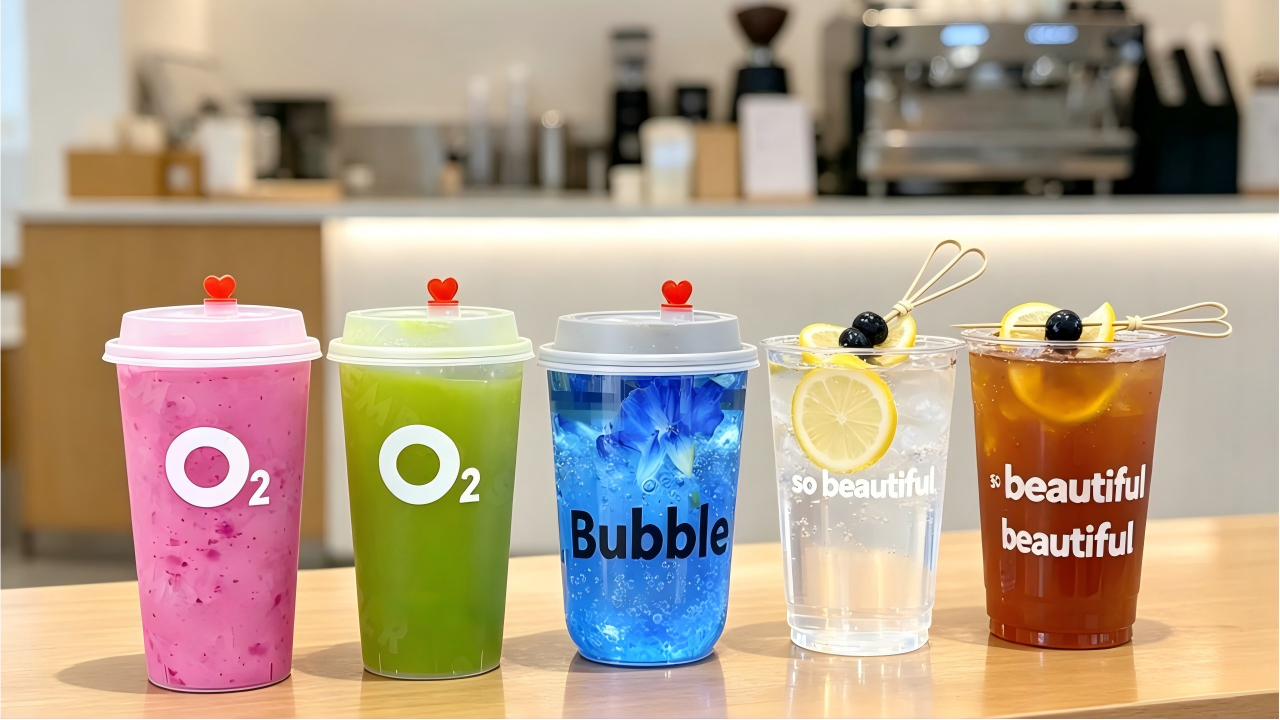
- Tea/coffee cold drink market:promoting PET cups
Featuring iced coffee, sparkling water, ice cream, and other cold drinks, the printed patterns on the transparent PET cup are vibrant and bright, presenting an excellent visual effect.
- Supermarket/convenience store retail market:PP+PET combination stocking
PP cups with lids are used in the hot beverage section, and PET cups with lids are used in the refrigerated beverage section, meeting all product category needs in one stop.
Based on customer positioning
- Affordable shops
For those prioritizing practicality and durability, heat resistant PP cups are a better choice.
- High-end brand shops
For those who prioritize product quality, packaging texture, and brand image, PET coffee cups are recommended.
Procurement budget planning
If you have a limited purchasing budget, standard cold drink PET cups are a cost-effective option. They are suitable for bulk purchases and distribution to capture market share. If your budget allows, PP tea cups are a better choice, as they can help you attract high-quality customers and avoid the cutthroat competition of low-price sales.
FAQ
Q1:Which is better, PP or PET cups?
There is no absolute better one, the advantages of the two are different, and the best choice depends on your needs.The key is the usage scenario , pp cup is mainly used for hot drinks, while PET cup is mainly used for cold drinks.
Q2:Can in-mold printing only be used for PP cups?
In-mold printing is mainly used in PP plastic cups, where the pattern adheres strongly and does not fade. PET’s molding temperature and material properties are not compatible with in-mold printing; PET is typically printed using flexographic or UV printing.
Q3:Can PP cups be reused?
Food grade PP material can theoretically be reused multiple times in a short period of time, but as a disposable food and beverage packaging, it is not recommended for long-term recycling. Long term repeated use of oil, water, and high-temperature beverages can lead to residual oil stains on the cup body, which can breed bacteria.
Q4:Are both PP and PET recyclable?
Yes, Both PP and PET are recyclable thermoplastics and can be recycled. It is recommended to clean both materials thoroughly before recycling to remove residual liquids and food residues, as impurities can reduce the quality of the recycled material.
Q5: Are PP cups microwave safe?
Food-grade PP cups that meet standards can be microwaved under certain conditions, but not all PP cups can be directly microwaved. Furthermore, they only support short-term microwave heating. If the cup deforms, yellows, or develops an odor after heating, it should be discontinued immediately.
Final Thoughts
Choosing the right plastic cups can effectively reduce operating costs. Whether it’s PP or PET cups, reliable quality and a consistent supply are key. Partnering with our experienced factory, we offer a full range of disposable plastic cup sizes and diverse customization services, comprehensively help you enhance your market competitiveness.